William Tewiah Net Worth: Inside Ghana’s Historic GH¢3.87B GSE Record
Move over old money. There is a new king on the Ghana Stock Exchange (GSE), and his sudden ascension is a masterclass in raw operational grit, local ownership, and staying focused on "the main thing."
The GH¢3.87 Billion Shockwave on the GSE
For decades, the name Daniel Ofori was synonymous with individual stock market dominance in Ghana. Through calculated, long-term plays in banking and insurance, Ofori built an equity portfolio that went unrivaled. But history was officially rewritten.
Following the blockbuster listing of ZEN Petroleum Holdings PLC on the Ghana Stock Exchange, founder and Managing Director William Tewiah emerged as the wealthiest individual shareholder in the history of the Ghanaian bourse.
The company’s Initial Public Offering (IPO) was massively oversubscribed—seeking to raise $56 million but pulling in bids exceeding $84 million. Since listing at an initial price of GH¢5.00, the stock surged by nearly 51%, reaching GH¢7.55 per share. Because Tewiah retained a disciplined 80% stake (holding roughly 512 million shares), his personal equity valuation sits at an unprecedented GH¢3.87 billion ($338.1 million).
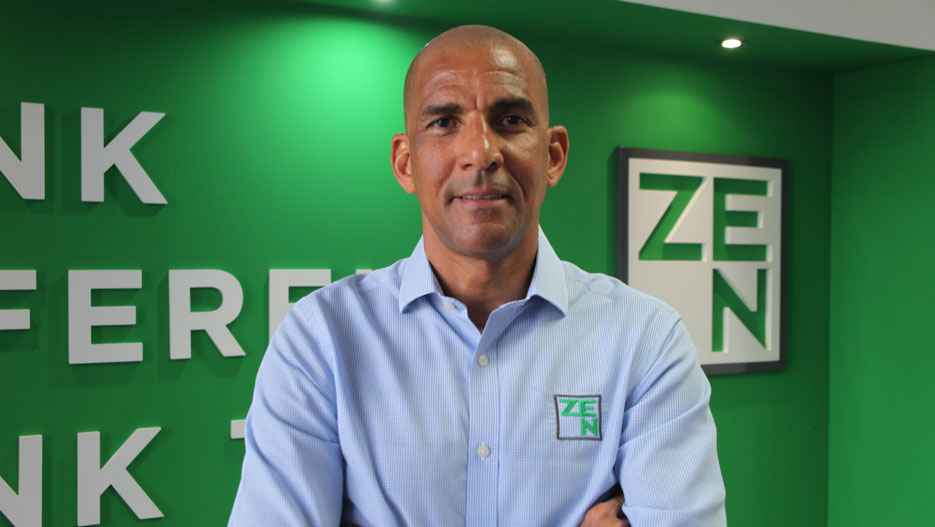
William Tewiah standing in front of the iconic green ZEN branding, representing 100% indigenous Ghanaian equity.
From a Lloyds Bank Desk to the Oil Trenches
Tewiah’s path to becoming Ghana's ultimate capital market titan didn't follow the conventional blueprint. He didn't start with deep political connections, nor was he born into generational oil wealth. He spent his early career working behind a corporate desk at Lloyds Bank in London.
Driven by curiosity and a desire to build a legacy back home, he founded ZEN Petroleum. The company kicked off operations with a single, crucial contract to supply diesel to GoldFields in Tarkwa.
"In the early days, I was driving over 300 kilometers ahead of our fuel tankers just to ensure timely delivery to our clients. We each have our own '300km journey' ahead of us—and that is where true business foundations are built."
— William Tewiah
From that lone contract, ZEN strategically expanded along the value chain. They built a world-class storage terminal in Takoradi, ventured into lubricant blending, established a massive logistics fleet of over 100 specialized trucks, and rolled out a highly competitive retail network of over 100 stations across Ghana. Today, ZEN controls roughly 50% of the ultra-lucrative mining fuel market.
The Founder’s Playbook: Secrets to Instant SEO Scale
Why has this story capturing so much digital traffic? Because it breaks down actionable principles that modern African entrepreneurs can study and clone:
- Keep the Main Thing the Main Thing: Tewiah frequently references a simple grounding phrase used internally at his company: "We sell fuel." By avoiding early over-diversification and focusing strictly on the triple-threat of retail execution (Right Quality, Right Quantity, Right Price), ZEN built an impenetrable competitive moat.
- Unapologetically Local: ZEN Petroleum remains entirely Ghanaian-owned. In a sector heavily reliant on foreign oil expatriates, Tewiah built a premium powerhouse fueled entirely by local talent—proving that indigenous African firms can outperform multinational giants.
- Value Creation Over Cash-Outs: Tewiah spent 15 solid years reinvesting earnings and solidifying supply logistics before ever looking at a public market listing. The public wealth we see today is simply the market recognizing a decade and a half of quiet, compounding value creation.
Watch: William Tewiah on Strategic Business Scaling
Analyze his masterclass interviews and deep-dive panel discussions highlighting the evolution of Ghana’s energy sector.


Comments
Post a Comment